Grid Interconnection Explained: The Hidden Engineering Behind Successful Energy Projects
Introduction:
Every power generation project, whether a utility-scale solar farm, wind plant, battery energy storage system (BESS), industrial generator, or data center, shares one critical challenge: connecting safely and reliably to the electrical grid.
While project developers often focus on equipment selection, financing, and construction timelines, the grid interconnection process is frequently the determining factor between project success and costly delays. Interconnection studies, utility approvals, transmission constraints, and regulatory requirements can significantly influence project economics and schedules.
As renewable energy deployment accelerates worldwide and electricity networks become increasingly complex, understanding grid interconnection has never been more important.
At GRIDCREED, we support developers, investors, utilities, and industrial operators through the technical and regulatory challenges of interconnection, helping projects move from concept to commercial operation with confidence.
What Is Grid Interconnection?
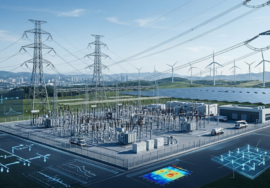
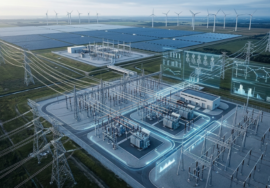
Grid interconnection is the process of connecting a new electrical resource to an existing transmission or distribution network.
The resource may include:
* Solar power plants
* Wind farms
* Battery Energy Storage Systems (BESS)
* Industrial power generation facilities
* Combined heat and power plants
* Data centers
* Manufacturing facilities
* Microgrids
Before connection approval is granted, grid operators must ensure the new asset will not compromise system reliability, safety, or operational performance.
This requires extensive engineering analysis and coordination between project developers, utilities, transmission owners, and system operators.
Why Interconnection Is More Complex Than Ever:
Historically, power systems were designed around large centralized generators such as coal, gas, hydroelectric, and nuclear facilities.
Today’s grid looks very different.
The rapid growth of:
* Solar generation
* Wind power
* Battery storage
* Distributed energy resources
* Electric vehicle infrastructure
has fundamentally changed network behavior.
Many regions now face:
* Transmission congestion
* Queue backlogs
* Capacity limitations
* Voltage control challenges
* Reduced system inertia
* Increased curtailment risks
As a result, interconnection studies have become more detailed, requiring advanced simulations and compliance assessments before approval.
The Importance of Point of Interconnection (POI) Selection:
One of the earliest and most important decisions in project development is selecting the Point of Interconnection (POI).
A POI determines:
* Required network upgrades
* Available capacity
* Construction costs
* Project timelines
* Future operational constraints
Choosing the wrong location can significantly increase costs and delay project schedules.
A comprehensive POI assessment evaluates:
* Nearby substations
* Transmission capacity
* System loading
* Voltage performance
* Future expansion plans
* Upgrade requirements
Proper POI selection often saves developers millions of dollars over the project lifecycle.
Interconnection Feasibility Studies:
The first step in most projects involves a feasibility assessment.
These studies help answer critical questions:
* Can the project connect to the grid?
* Is sufficient capacity available?
* Are major network upgrades required?
* What risks exist at the proposed location?
* What is the expected development timeline?
Feasibility studies provide an early indication of project viability and help stakeholders make informed investment decisions.
By identifying challenges early, developers can avoid expensive surprises later in the process.
System Impact Studies:
Once a project enters the interconnection process, a detailed system impact study is typically required.
These studies evaluate how the proposed project affects existing network performance.
Typical analyses include:
Load Flow Analysis:
Load flow studies examine:
* Power transfers
* Voltage profiles
* Equipment loading
* Network losses
* Reactive power requirements
Short Circuit Analysis:
Short circuit studies assess:
* Fault current levels
* Breaker capabilities
* Equipment ratings
* Protection system requirements
Stability Analysis:
Dynamic simulations evaluate:
* Voltage recovery
* Frequency response
* Rotor angle stability
* Disturbance performance
The objective is to ensure the grid remains secure and reliable under both normal and abnormal operating conditions.
Understanding Grid Upgrade Costs:
A common misconception is that developers only pay for their own facility.
In reality, new projects frequently trigger transmission upgrades needed to maintain system reliability.
Examples include:
* New transmission lines
* Transformer replacements
* Substation expansions
* Protection upgrades
* Reactive power equipment
* Communication systems
These upgrades can represent a significant portion of total project costs.
Accurate engineering studies help estimate these requirements early in development.
Renewable Energy Interconnection Challenges:
Renewable energy projects face unique technical considerations.
Unlike conventional generators, solar and wind resources depend on weather conditions and inverter-based technologies.
Important factors include:
* Variable generation output
* Voltage regulation
* Reactive power support
* Ride-through capability
* Grid code compliance
* Curtailment risk
Utilities and system operators require detailed evidence that renewable facilities can support stable network operation.
Advanced simulation tools are used to validate performance before approval is granted.
Battery Energy Storage Systems and Grid Support:
Battery Energy Storage Systems are becoming increasingly important in modern power networks.
Beyond storing energy, BESS facilities provide:
* Frequency regulation
* Voltage support
* Peak shaving
* Congestion relief
* Renewable integration support
However, storage projects must also complete rigorous interconnection studies.
Engineers evaluate:
* Charging impacts
* Export capability
* Protection requirements
* Dynamic response characteristics
Proper analysis ensures batteries deliver maximum value while maintaining network reliability.
Grid Compliance Requirements:
Every transmission operator has technical requirements that interconnected facilities must satisfy.
Compliance requirements may include:
* Voltage control capability
* Reactive power performance
* Frequency response
* Protection coordination
* Dynamic model submission
* Disturbance ride-through capability
Failure to meet these requirements can delay approvals or prevent connection altogether.
Comprehensive compliance audits reduce project risk and streamline regulatory reviews.
Common Causes of Interconnection Delays:
Many projects experience delays due to avoidable technical issues.
Common challenges include:
Incomplete Technical Data:
Missing design information often leads to repeated study revisions.
Poor POI Selection:
Choosing a constrained location can trigger major upgrade requirements.
Inadequate Modeling
Incorrect simulation models frequently result in additional study requests.
Regulatory Misunderstanding:
Failure to understand local interconnection procedures can significantly extend timelines.
Late Engineering Engagement:
Projects often wait too long to involve experienced engineering consultants.
Early technical support can prevent many of these issues.
The Value of Advanced Simulation:
Modern interconnection projects rely heavily on advanced simulation software.
Industry-standard platforms include:
* PSCAD
* PSS®E
* PSLF
* ETAP
* DIgSILENT PowerFactory
These tools allow engineers to evaluate system performance under thousands of potential operating conditions.
Accurate simulation provides confidence to utilities, developers, investors, and regulators.
Interconnection and Project Economics:
Interconnection decisions directly influence project profitability.
Key economic factors include:
* Upgrade costs
* Curtailment risk
* Construction schedules
* Operational flexibility
* Energy market access
A technically optimized interconnection strategy often improves long-term project returns.
For investors, interconnection risk is increasingly viewed as one of the most important factors in project evaluation.
How GRIDCREED Supports Successful Interconnection Projects:
GRIDCREED provides end-to-end engineering support throughout the interconnection lifecycle.
Our expertise includes:
* Feasibility assessments
* Point of Interconnection optimization
* Grid impact studies
* Compliance verification
* Dynamic system modeling
* Protection coordination
* Renewable energy integration
* Operational readiness planning
Our engineers combine advanced simulation capabilities with practical industry experience to deliver reliable, cost-effective solutions for complex energy infrastructure projects.
Conclusion
Grid interconnection is far more than an administrative approval process. It is a highly technical engineering discipline that directly influences project viability, cost, schedule, and long-term performance.
As electricity networks continue evolving, successful projects will depend on thorough planning, advanced simulation, and expert technical guidance.
Organizations that invest in proper interconnection analysis early in development position themselves for faster approvals, lower risk, and stronger project outcomes.
With deep expertise in power systems, renewable integration, compliance analysis, and operational readiness, GRIDCREED helps clients navigate the complexities of modern grid interconnection and build infrastructure that is reliable, resilient, and future-ready.